 Loading... Please wait...
Merillat
Merillat Basics™ Collection - What's New
Posted by Merillat Cabinetry Team on Oct 11th 2021
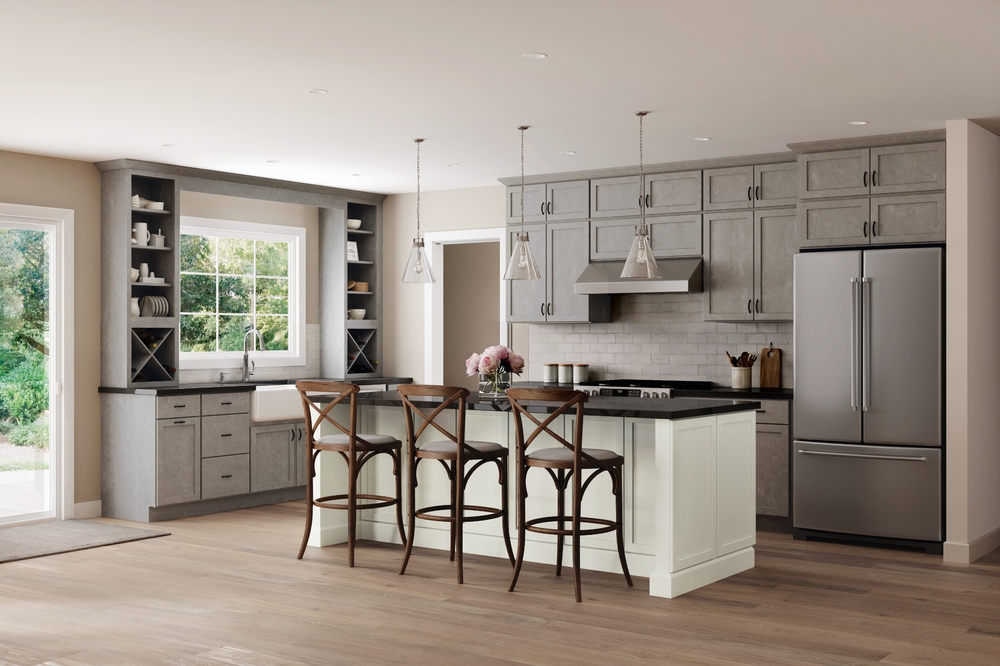
POPULAR PAIRS
Two of our most popular Shaker door styles will now be available in two new stains. Our Boardwalk and Steel Grey finishes can be paired with both Merillat Basics Collins and Wesley door styles. With both partial and full overlay door style options available in our new finishes, you can create both traditional and modern designs.
In-demand finishes meet style favorites.
Boardwalk
From the partial overlay of Collins to the full overlay of Wesley, both classic and contemporary looks can be given added character when coupled with our warm, welcoming Boardwalk finish.
Steel Grey
Whether a design calls for clean lines or a wider reveal, the Steel Grey finish is cool enough to handle either with an on-trend neutral that can create appealing looks to complement all kinds of concepts.
Merillat Masterpiece® Collection - What's New
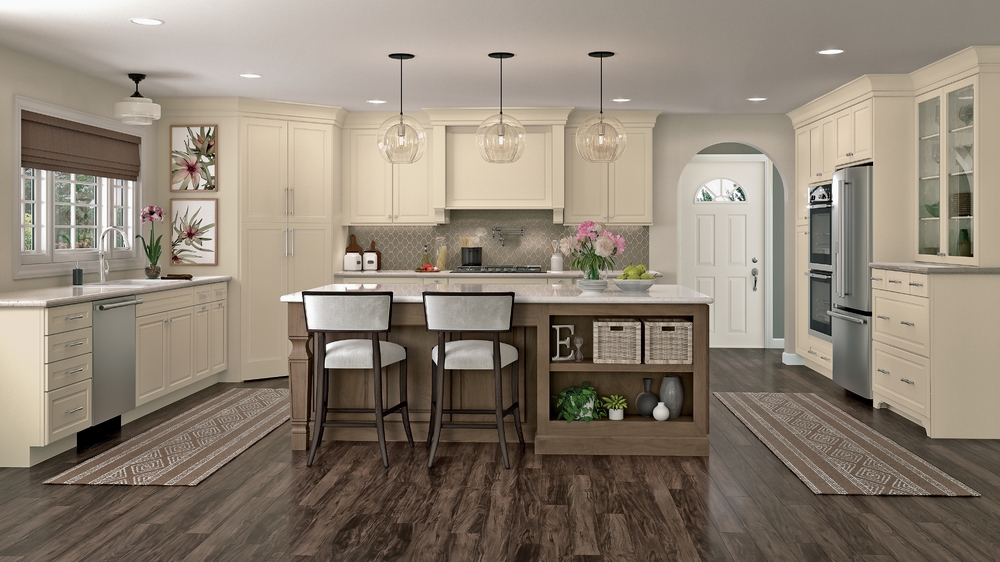
Thoughtful design, refreshing flexibility, and on-trend appeal for today’s most discerning homeowners. Introducing the 2021 Product Premiere of the Merillat Masterpiece® Collection. We’ve applied industry research, designer expertise, and customer feedback, creating new innovations that enhance our lineup and allow us to deliver the very best from Merillat Cabinetry.With exceptional attention to detail and endless [...]
Merillat Basics™ Collection - What's New 2020
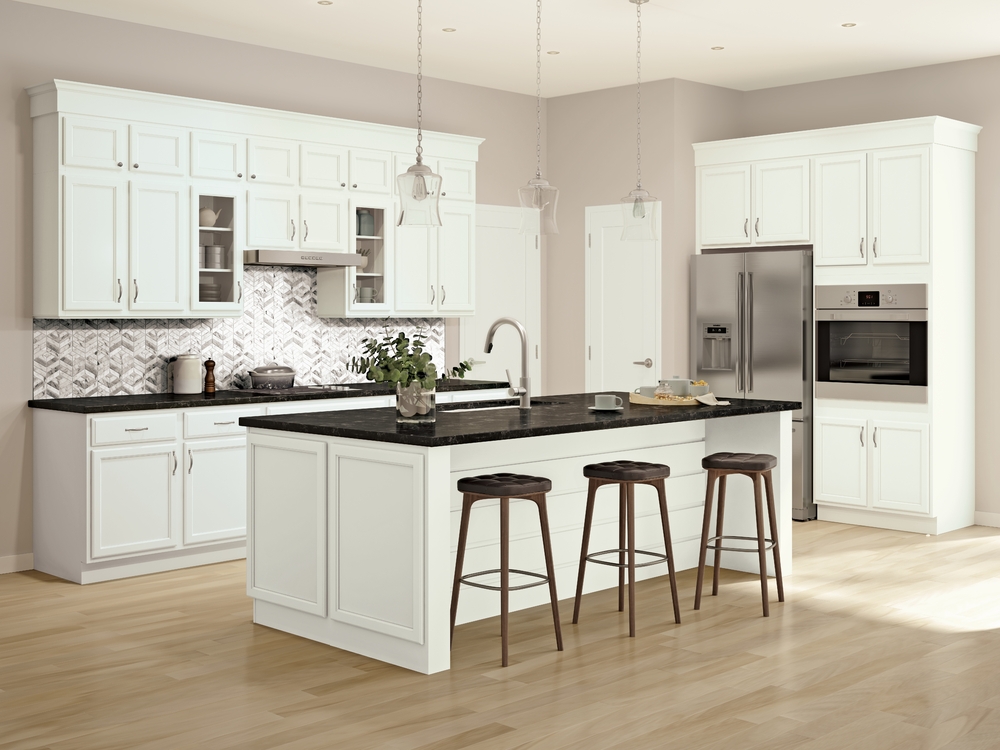
Driven by market trends and feedback from our customers, we are excited to offer you the looks + styles you’ve been searching for.Cotton Paint on ColonyCreate even more timeless and clean kitchen designs with this new affordable white painted finish on a detailed horizontal reverse beveled style door featuring multiple coats of pure, white paint for a consistent finish. Shale [...]
THE RIGHT RUG FOR YOUR MERILLAT CLASSIC® COLLECTION KITCHEN
One of the most common questions I receive about vintage rugs is whether or not I recommend placing them in the kitchen. My answer is a resounding YES! Understandably, there is concern about food and beverage spills ruining your investment. If you check out the following guidelines, you won’t regret adding a vintage piece that will undoubtedly add warmth and [...]
TIMELESS KITCHEN DESIGN TRENDS IN 2020
Double Islands Merillat Classic® Collection Ralston designed by KSI Designer, Lisa Huckabaa Expanding a kitchen’s functionality and improving traffic low lend to double island designs. With the addition of a second sink you can divide the area between meal preparation and entertaining space. Seating at islands has been a consistent theme in kitchen design, but now table level [...]
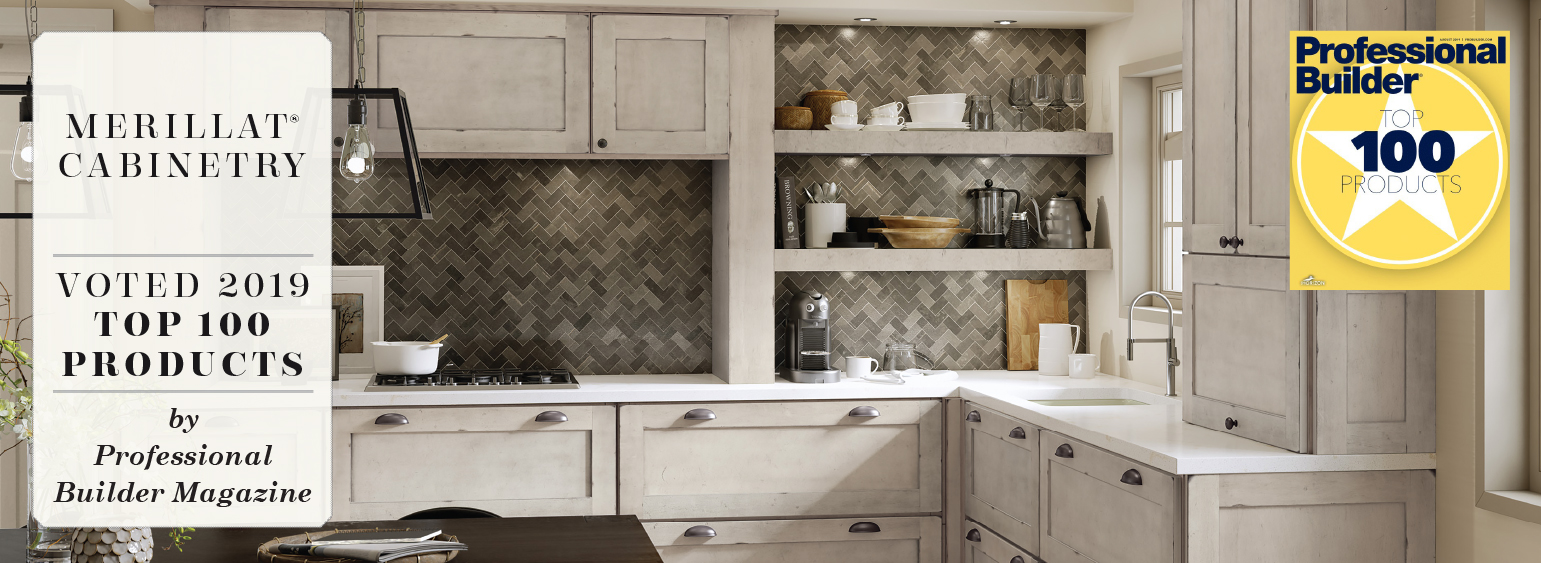
Merillat® Cabinetry was named a Professional Builder 2019 Top 100 Product
Merillat® cabinets won recognition this year as one of the most interesting and innovative kitchen and bath building products for the housing industry, according to Professional Builder readers. This year’s Top 100 Products are grouped into nine categories in building including Kitchen + Bath. The Professional Builder 2019 Kitchen + Bath category covered everything from countertops from Caesarstone, faucets from [...]
Why We Chose Merillat® Cabinetry for our KBIS Booth
The Kitchen and Bath Industry Show (KBIS) has long been a highlight of the year for Formica Group. KBIS is always the first public display of our residential launch, the Living Impressions Collection, and it’s a unique venue to showcase our new laminates to a wide audience of kitchen and bath dealers, homeowners, and more.While we have craft [...]
Design Flexibility
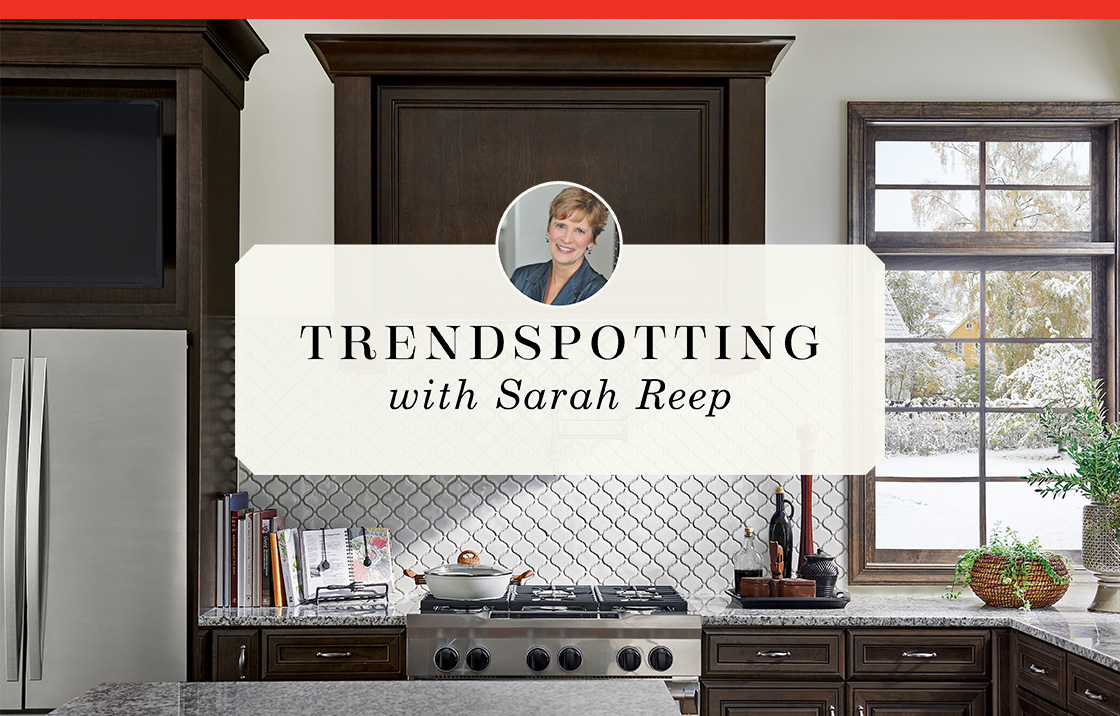
To Help Personalize the Design, Look to Wall Hoods and Molding Today’s kitchen has a cleaner design. Wood hoods and molding options provide you with more flexibility than ever to personalize the design to your homeowner’s distinct style preferences. Sylvan Dove White Single SKU Wall Hood I recommend the Wall Hood as key to a kitchen of distinction. [...]
Merillat Basics™ Collection Welcomes Exciting New Products
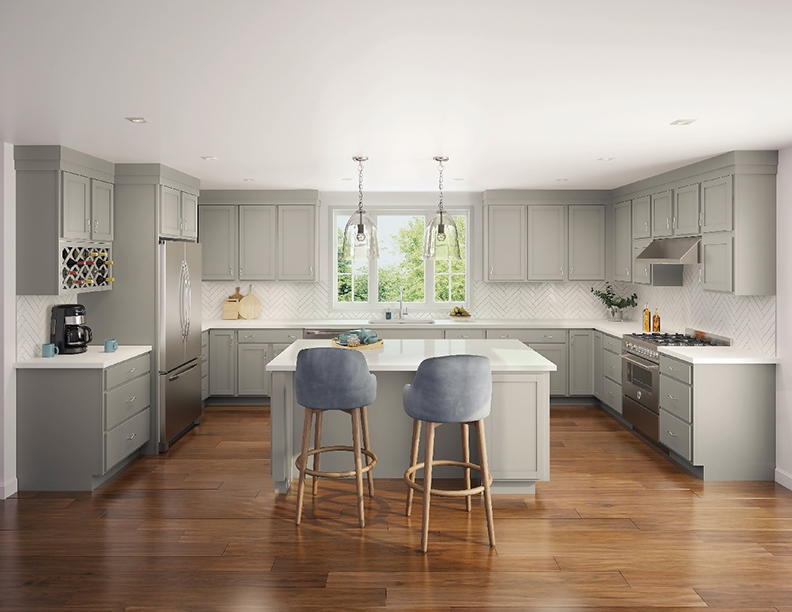
The McDurmon laminate door from the Merillat Basics™ Collection is now available in Grey option. Key Features:New Grey laminate option for the McDurmon door style, priced just right for homeowners that are looking for a real value. McDurmon is a 5-piece wrapped laminate door that offers a truly consistent finish and durability in a busy kitchen. Base [...]
The Farmhouse Goes Modern – Especially for Millennials
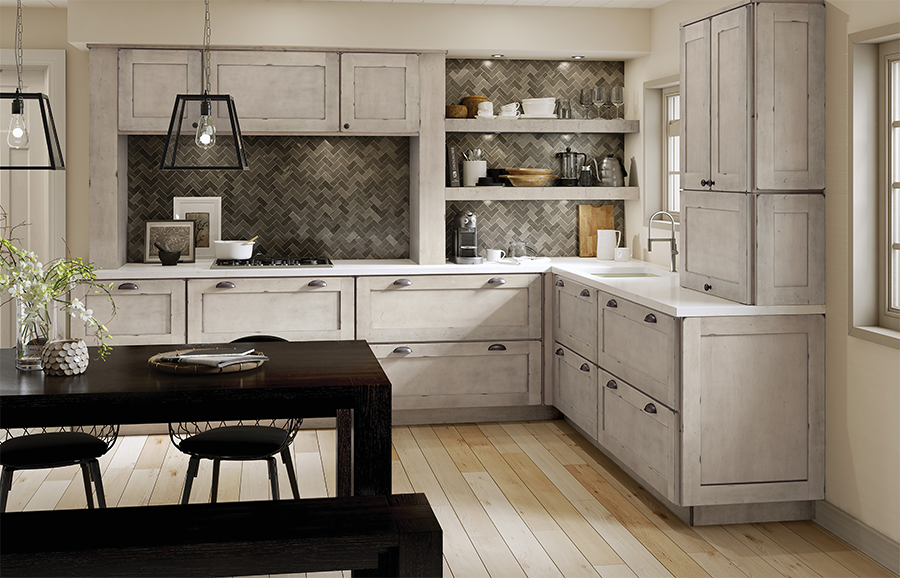
Millennials – the generation reaching adulthood in the early 21st Century – are now our largest category of new home buyers. They’re also among our most enthusiastic fixer-uppers. And Millennials’ tastes in kitchen and bath design aren’t as strictly Modern as you might think. We’re seeing many young homeowners embrace the Modern Farmhouse style. The watchwords here are comfort and craftsmanship, hearth and [...]